
 by
by In the high-stakes world of the NFL, every single rule matters. From the length of a down to the precise location of a player’s foot on a sideline, the rulebook is the bible of the game. Most fans are familiar with the common penalties—holding, pass interference, and false starts—but very few are aware of one of the most powerful and rarely-invoked regulations: Rule 17. So, what is Rule 17 in the NFL? It’s the ultimate check and balance, the league’s last resort for addressing the most egregious and game-altering actions.
The simple answer to what is Rule 17 in the NFL is that it’s the rule that gives the NFL Commissioner the authority to step in and take corrective action for an “extraordinarily unfair act.” This is not a rule for a missed holding call or a questionable spot of the ball. This is a rule reserved for moments so far outside the accepted boundaries of the game that they threaten the very integrity of a contest.
Unpacking Rule 17: “Unfair Acts”
To understand what is Rule 17 in the NFL, you need to delve into its specific sections. The rule is titled “Emergencies, Unfair Acts” and is broken down into two main types of violations: “Palpably Unfair Acts” and “Extraordinarily Unfair Acts.” The distinction between the two is crucial to understanding the full scope of Rule 17.
Palpably Unfair Acts
This section of the rulebook deals with situations where a player or non-player commits an act that is clearly unfair but not covered by a standard penalty. The most classic example, and the one most often cited when the topic comes up, is a non-player (like a fan or a bench player) running onto the field and tackling a ball carrier who is on their way to a touchdown.
For a “palpably unfair act,” the officials have the authority to make a judgment call on the spot. They can impose an equitable penalty, including, and most importantly, awarding a score. If a player is illegally tackled by a non-player while running for a touchdown, the officials can, and likely will, award the touchdown. This is a powerful tool to ensure that a team is not robbed of a score by an external factor. This aspect of the rule directly addresses the question of what is Rule 17 in the NFL and its purpose: to ensure fair play is maintained on the field.
Extraordinarily Unfair Acts
This is where Rule 17 becomes truly unique and rarely used. This section gives the NFL Commissioner, currently Roger Goodell, the sole and absolute authority to investigate and take action in situations that are deemed so extraordinarily unfair that they could affect the outcome of a game. This is the part of the rule that most people are thinking of when they ask what is Rule 17 in the NFL.
The language in the rulebook is intentionally broad, referring to “any club action, non-participant interference, or calamity.” It is not for routine officiating errors. The rule explicitly states that the Commissioner “will not apply authority in cases of complaints by clubs concerning judgmental errors or routine errors of omission by game officials.” This is a critical distinction. A bad pass interference call, for example, is considered a judgmental error and is not subject to Rule 17. The rule is for something far more sinister or unprecedented.
Commissioner’s Powers Under Rule 17
So, what is Rule 17 in the NFL‘s ultimate power? The Commissioner’s authority under this rule is immense. He can:
- Impose monetary fines.
- Forfeit draft picks.
- Suspend the people involved.
- Reverse a game’s result.
- Reschedule a game, either from the beginning or from the point of the unfair act.
The power to reverse a game’s result is the most extreme and, to date, has never been used. This is why what is Rule 17 in the NFL is such a talked-about topic among hardcore fans and analysts. It represents a theoretical button that could completely change the course of NFL history, but one that the league is incredibly hesitant to press. The idea of overturning a game’s outcome due to an unfair act is so profound that it would set a precedent with significant ramifications.
The “Never Used” Clause: Why Is Rule 17 So Rare?
The most common follow-up question to what is Rule 17 in the NFL is, “Has it ever been used to overturn a game?” The answer is no. While it has been cited in debates and protests, no NFL Commissioner has ever reversed a game’s result using Rule 17.
Why is this? The NFL values the finality of its games above almost all else. A game’s result is considered sacred. Overturning it would undermine the authority of the on-field officials and create a system where teams could constantly appeal bad calls, leading to endless litigation and fan dissatisfaction. The league wants the games to be decided on the field, even with their flaws.
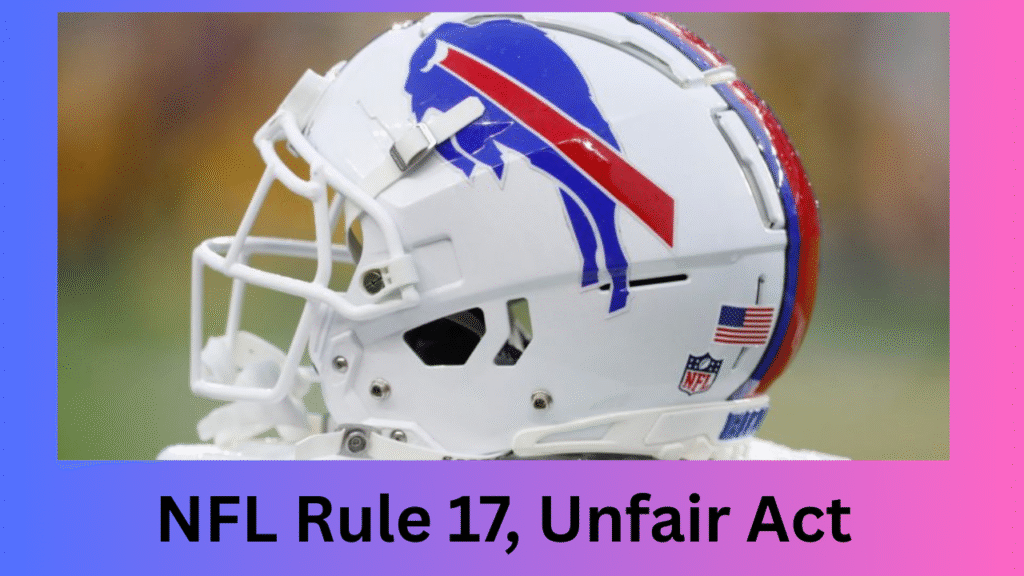
Moreover, the “extraordinarily unfair act” clause requires a level of malice or external influence that is simply not present in most controversial plays. The rule is for something truly unbelievable, not a human error. This is the core of what is Rule 17 in the NFL and why it’s a rule of last resort.
Notable Moments and Rule 17 Debates
While Rule 17 has never been used to overturn a game, it has been a frequent topic of discussion in the wake of major officiating controversies. These examples help illustrate what the rule is, and more importantly, what it is not.
- The “Tuck Rule” Game (2002): A controversial play in a playoff game between the Patriots and Raiders where a fumble by Tom Brady was ruled an incomplete pass. This was a classic “judgmental error” by the officials. While it was a huge point of contention, it was not an “extraordinarily unfair act” and therefore did not fall under Rule 17.
- The “NOLA No-Call” (2019 NFC Championship): The Saints were famously denied a clear pass interference call against the Los Angeles Rams that would have likely sent them to the Super Bowl. Fans, players, and even the Louisiana state legislature called for the game to be replayed under Rule 17. The NFL admitted the call was wrong, but Commissioner Goodell did not invoke Rule 17, as it was considered a “judgmental error.” This is arguably the most famous example of a time when the public demanded the use of Rule 17, highlighting the emotional weight of what is Rule 17 in the NFL.
- Deflategate (2015): The controversy surrounding the Patriots’ footballs was an example of a “club action” that could have fallen under Rule 17. The league’s investigation, and the subsequent penalties against Tom Brady and the Patriots, showed that the Commissioner’s authority under Rule 17 is very real. However, the game results were not overturned. The punishment was instead levied in fines and draft pick forfeitures, which is also within the scope of what is Rule 17 in the NFL.
These examples show a clear pattern: the league will use the powers of Rule 17 to punish teams for misconduct, but it will not use it to reverse a game’s outcome based on officiating errors. The rule is a tool for maintaining order and integrity, not for correcting every bad call. It is a part of the rulebook that is meant to be feared, not regularly used. This distinction is vital for anyone who truly wants to understand what is Rule 17 in the NFL.
The Future of Rule 17
As technology and officiating procedures evolve, the role of Rule 17 may change. The introduction of instant replay and more advanced review systems has already reduced the number of “extraordinarily unfair acts.” However, as long as there is a possibility of human error or unprecedented events, Rule 17 will remain a part of the NFL rulebook. It is a constant reminder that the Commissioner has the final say when a situation is so far out of the ordinary that it threatens the very essence of the game. The ongoing debate about what is Rule 17 in the NFL highlights the tension between the quest for perfect officiating and the acceptance of human fallibility.
For now, the rule stands as a powerful, but dormant, authority, a silent guardian of the game’s integrity. It’s the ultimate trump card, and its power lies in the fact that it is almost never played. So, to answer the question, what is Rule 17 in the NFL? It is the rule that ensures the most fundamental principles of the game can be protected when all other measures fail. And its rarity is a testament to the fact that the NFL, for all its imperfections, is a game of rules, and those rules are meant to be final.