 by
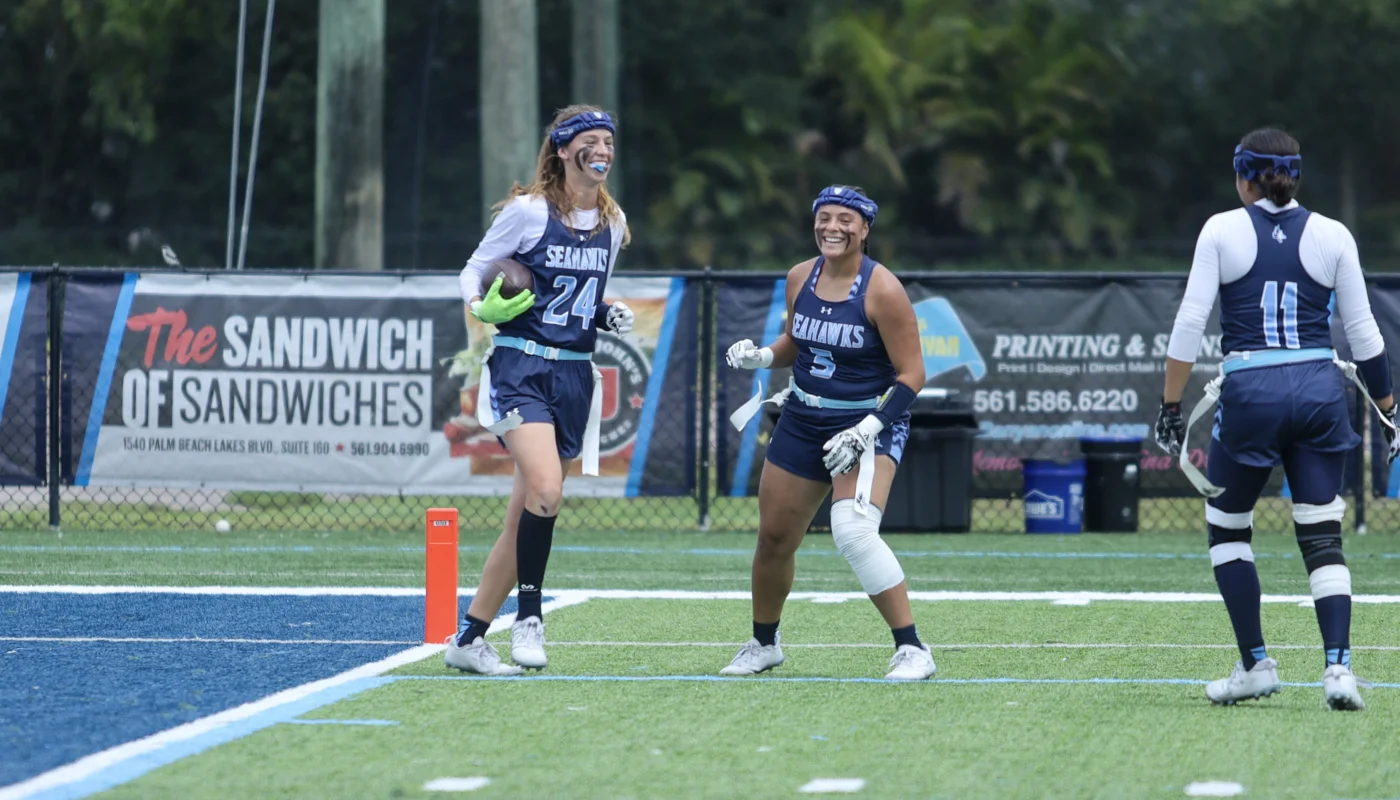
by Forget everything you thought you knew about the schoolyard game. Flag football is officially trading the playground for the stadium lights, and it’s doing so with some serious heavy hitters in its corner. In a historic move this January 2026, the NFL backed flag football NCAA Emerging Sport status was officially granted, marking a seismic shift in the collegiate landscape. This isn’t just a new activity; it’s a high-octane revolution that’s redefining what “Saturday afternoon football” looks like for a new generation of athletes.
The NFL’s Power Play: Turning Grassroots into Gold
The journey from casual recreation to a sanctioned collegiate path didn’t happen by accident. The National Football League has poured millions into the “NFL FLAG” initiative, transforming the game into a global powerhouse. By providing the NFL backed flag football NCAA Emerging Sport framework with the necessary infrastructure—from official gear to coaching clinics—the league has effectively built a bridge for female athletes to cross from high school stardom to college scholarships. With the 2028 Los Angeles Olympics on the horizon, the NFL’s investment is less about charity and more about a strategic global expansion of the football brand.
The “Emerging Sport” Fast Track: Why Now?
Why is this happening so quickly? The NCAA’s “Emerging Sports for Women” program is designed to identify and support sports that have a clear path to becoming full championship status. For the NFL backed flag football NCAA Emerging Sport movement, the numbers speak for themselves. With over 40 schools already fielding varsity programs and projections hitting 60 by the end of this spring, the sport has bypassed the “wait-and-see” phase. It’s a win for Title IX compliance, a win for university engagement, and a massive win for athletes who have long waited for their chance to don a jersey and represent their school.
Key Factors Fueling the Surge:
- Low Cost of Entry: No expensive pads or helmets mean schools can launch programs quickly.
- Safety First: High-speed strategy with a significantly lower risk of concussions compared to tackle.
- Olympic Dreams: The 2028 Olympic inclusion has turned flag football into a high-stakes pursuit.
A New Era for Scholarships and Scouting
The inclusion of an NFL backed flag football NCAA Emerging Sport path means that the recruitment game has changed forever. Schools like the University of Nebraska have already made headlines as the first “Power Conference” institution to add a varsity program, signaling to the rest of the Big Ten and beyond that the race is on. High school seniors are no longer just playing for fun; they are playing for a free ride. Scouts who once focused solely on the “Friday Night Lights” of tackle football are now patrolling the sidelines of flag tournaments, looking for the next breakout quarterback or wide receiver.
From the Atlantic East to the Big Stages
While the NAIA pioneered the varsity movement back in 2020, the NCAA’s official stamp of approval in 2026 has opened the floodgates. The NFL backed flag football NCAA Emerging Sport status provides the legitimacy needed for major athletic departments to divert funding and resources toward the game. From the Atlantic East Conference to the HBCU-led initiatives in the CIAA, the map of collegiate sports is being redrawn in real-time. This is no longer “recess” football—it’s a tactical, fast-paced chess match played at 100 miles per hour.
What’s Next for the Gridiron?
As we look toward the 2026-2027 academic year, expect to see flag football games broadcasted alongside traditional fall sports. The NFL backed flag football NCAA Emerging Sport momentum is a clear indicator that the future of football is inclusive, accessible, and incredibly fast. Whether you’re a fan of the strategy or the sheer athleticism, one thing is certain: flag football is here to stay, and the spotlight has never been brighter.