
 by
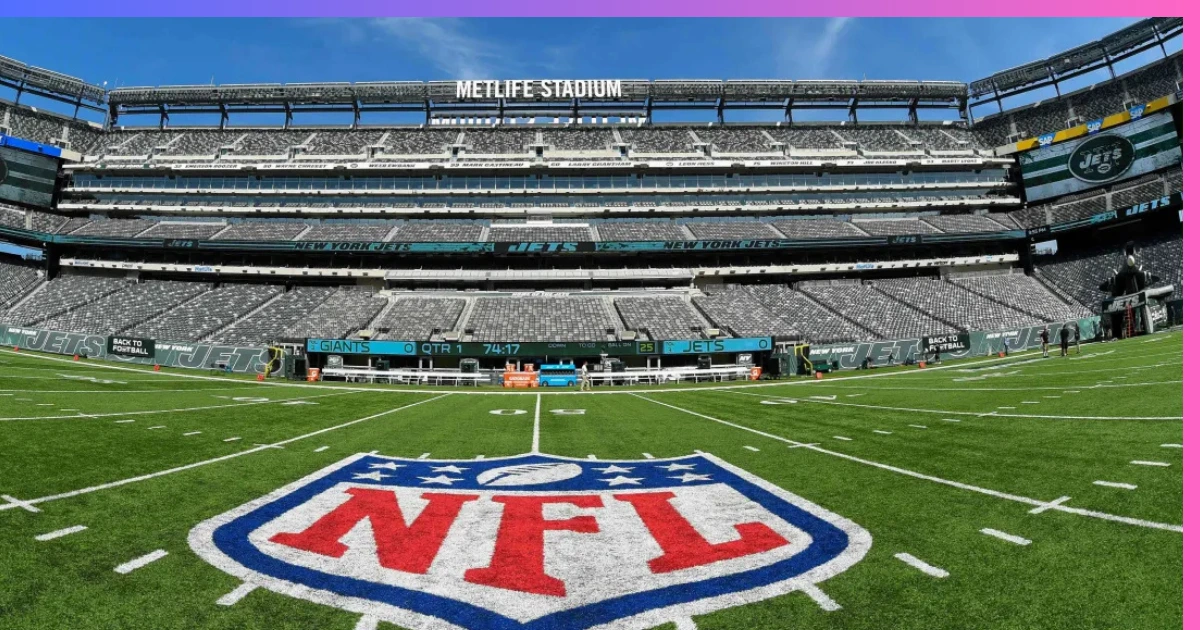
by The conversation around NFL playing surfaces is never far from the headlines, and often at the center of the discussion is the MetLife Stadium playing surface. Home to both the New York Giants and the New York Jets, the stadium has developed a reputation among players and fans as one of the league’s most problematic fields. But does the data back up the sentiment that the MetLife Stadium playing surface is truly one of the NFL’s worst?
The History of Controversy Surrounding the MetLife Stadium Playing Surface
The history of the field at MetLife Stadium has been marked by player complaints and a string of high-profile injuries, which naturally draw intense scrutiny to the MetLife Stadium playing surface. The stadium has used artificial turf since it opened, and the debate centers on the synthetic surface’s lack of “give” compared to natural grass, which many players argue increases the risk of lower-extremity injuries.
Notable season-ending injuries, including multiple ACL and Achilles tears, have occurred on the MetLife Stadium playing surface, fueling the narrative that it is uniquely dangerous. This collection of unfortunate events has made the condition of the MetLife Stadium playing surface a persistent talking point.
Player Perception vs. NFL Data: Ranking the Safety
Player feedback and official league data present a somewhat complicated picture regarding the true ranking of the MetLife Stadium playing surface. In a 2023 survey by The Athletic, NFL players reportedly ranked MetLife Stadium last overall, criticizing the atmosphere and facilities, including the field. Many players remain “petrified” to play on the surface, according to some reports. However, the stadium installed a new FieldTurf Core system ahead of the 2023 season in a direct effort to improve safety and the quality of the MetLife Stadium playing surface.
Intriguingly, the NFL’s own injury data offers a counter-narrative. Following the 2024 season, a league executive cited data suggesting the field ranked ninth-best for lower-extremity injuries and even first for visiting players. While this data suggests the current MetLife Stadium playing surface may be safer than its reputation implies, the overall data regarding synthetic turf remains clear: NFL Players Association (NFLPA) findings show that injuries occur more frequently on artificial turf than on natural grass. This discrepancy highlights the ongoing conflict between player preference and the league’s official metrics concerning the MetLife Stadium.
The Two-Team Factor: More Games, More Injuries
One critical, often overlooked factor contributing to the perception of the MetLife Stadium playing surface as one of the worst is the sheer volume of games played there. As the home stadium for two NFL franchises, the New York Giants and New York Jets, the MetLife Stadium playing surface hosts double the number of regular-season home games compared to most single-team stadiums. More games inevitably mean more opportunities for injuries, regardless of the field type.
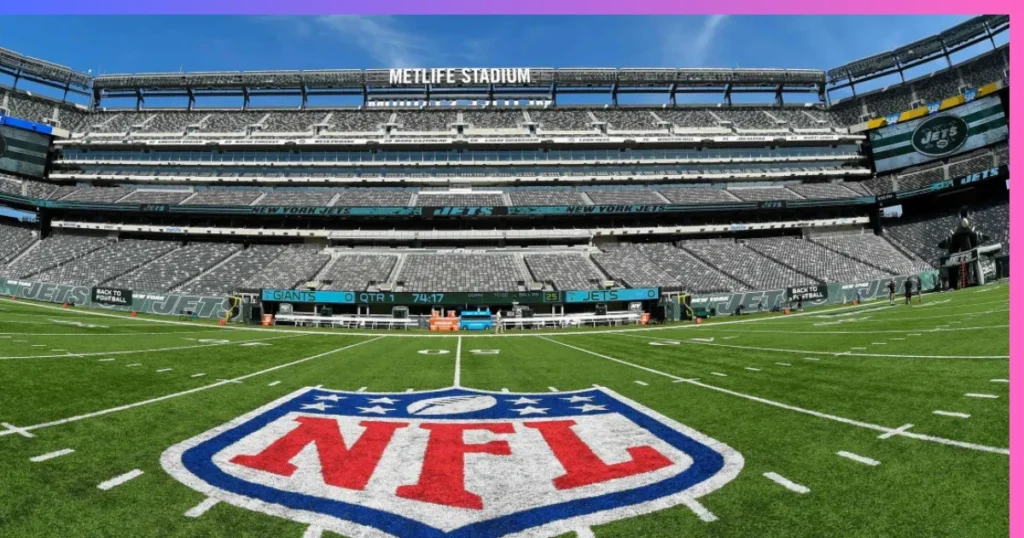
While the per-game injury rate for the MetLife Stadium playing surface may be average, the higher total count of notable injuries naturally draws greater public attention and criticism.
The Grass Debate: The Ideal Solution for the MetLife Stadium Playing Surface
Ultimately, the debate over the MetLife Stadium playing surface is part of the larger, league-wide discussion about the safety of artificial turf versus natural grass. Over 90% of NFL players prefer playing on grass, a surface that is more forgiving and absorbs impact better than its synthetic counterpart. Teams playing in colder climates or shared facilities often cite maintenance and cost as reasons for choosing turf, a challenge faced by the owners of the MetLife Stadium playing surface.
The stadium is even set to install temporary natural grass for the 2026 FIFA World Cup games, only to return to turf afterward, a decision that underscores the perceived trade-off between economics and player safety at MetLife Stadium. Until a league-mandated shift to grass occurs, the reputation of the MetLife Stadium playing surface will likely continue to be a flashpoint for player-safety advocates.