 by
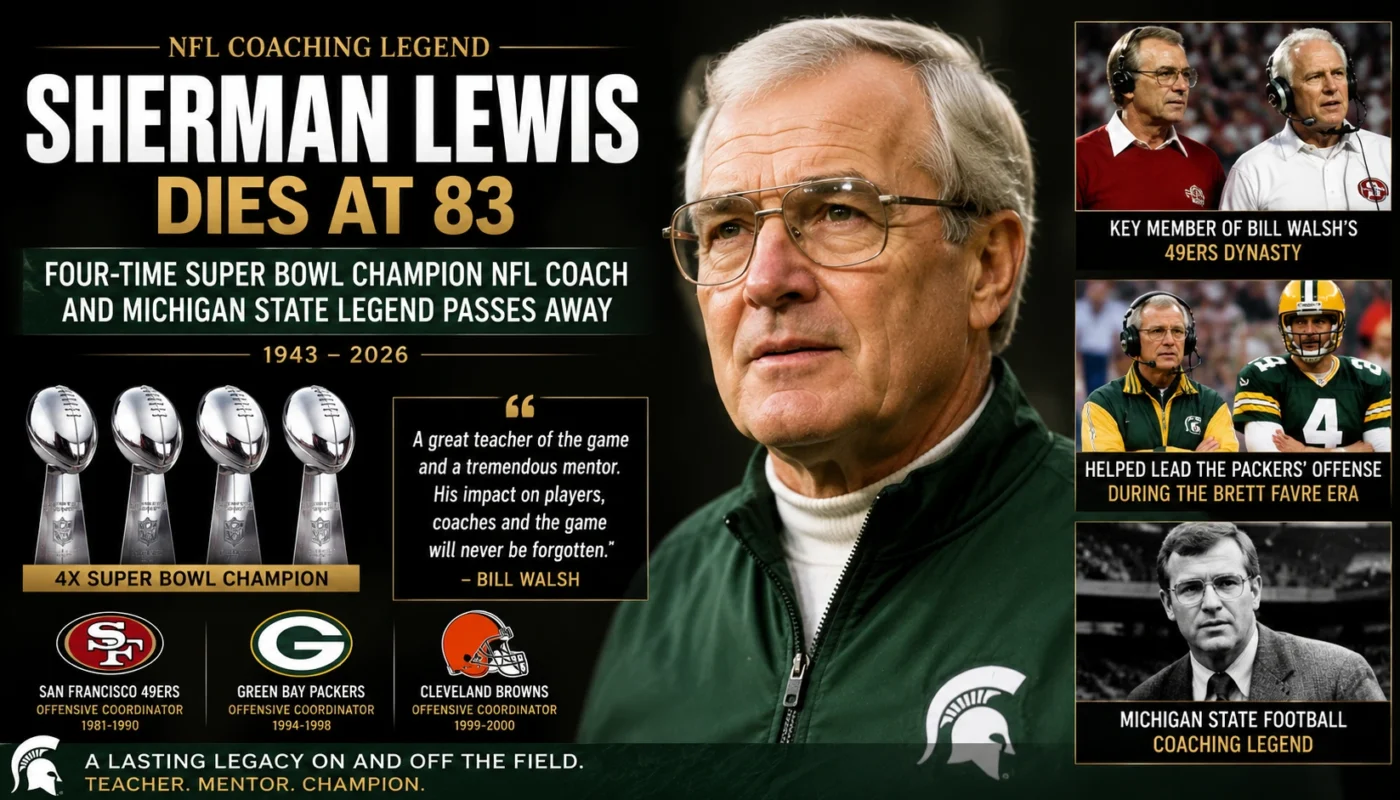
by The history of the modern National Football League is written by its architects—the brilliant football minds who operated away from the head-coaching podium but laid the blueprints for the sport’s greatest dynasties. Following his passing at the age of 83 on May 15, 2026, the sports world has experienced a profound awakening to the historical magnitude of a true gridiron pioneer. A comprehensive Sherman Lewis NFL coaching legacy analysis reveals a staggering, decorated 34-year career that yielded four Super Bowl rings across two separate franchises, establishing him as one of the fundamental pillars of the West Coast Offense.
The Foundation of the 49ers Dynasty (1983–1991)
Before he became an elite offensive coordinator, Lewis was hand-picked by Hall of Fame head coach Bill Walsh to join the San Francisco 49ers coaching staff in 1983. In analyzing the Sherman Lewis NFL coaching legacy analysis, his nine-season tenure in the Bay Area stands as a masterclass in positional development, particularly during his six seasons anchoring the running backs room. Lewis was instrumental in weaponizing Roger Craig, transforming him into the first player in NFL history to record 1,000 rushing yards and 1,000 receiving yards in the same season (1985)—a structural breakthrough that laid the groundwork for modern dual-threat backs.
Orchestrating Greatness: Three Super Bowls in San Francisco
The visual representation of Walsh’s tactical genius was often executed directly through Lewis’s rigorous on-field instruction. Any detailed Sherman Lewis NFL coaching legacy analysis must spotlight how he seamlessly transitioned from coaching running backs to wide receivers in 1991, maximizing the transcendent talents of Jerry Rice and John Taylor. His meticulous attention to footwork and route depth yielded three Super Bowl titles (XIX, XXIII, and XXIV) in San Francisco, permanently altering how professional offenses forced defenses to defend every blades of grass horizontally and vertically.
Resurrecting Title Town: The Green Bay Years (1992–1999)
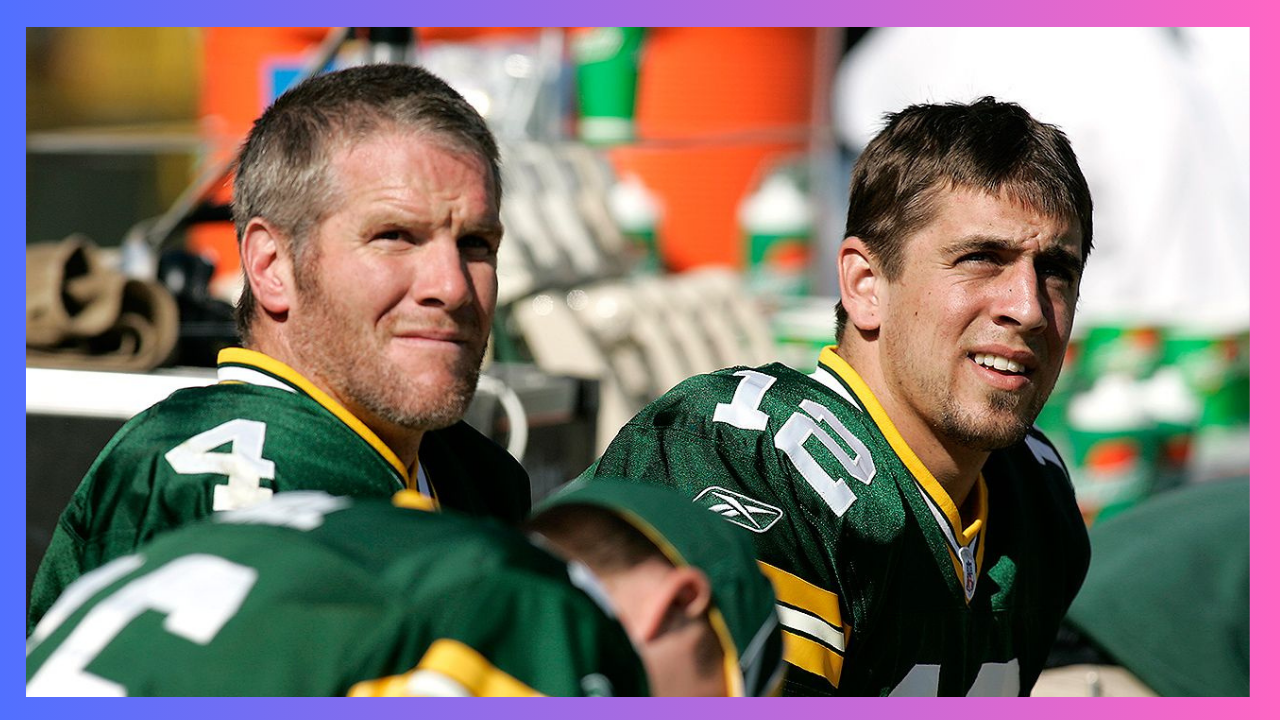
When Mike Holmgren accepted the monumental task of rebuilding the Green Bay Packers in 1992, his absolute first phone call was to bring Lewis along as his offensive coordinator. The Green Bay chapter of the Sherman Lewis NFL coaching legacy analysis represents the peak of his tactical influence, as he was tasked with refining a wild, young quarterback named Brett Favre. Over eight seasons in Wisconsin, Lewis implemented a highly disciplined version of the West Coast system that protected Favre from his own worst impulses, culminating in an explosive offense that ranked number one in the NFL during their historic 1996 championship run.
Sherman Lewis: Championship Timeline & Legacy Milestones
| Era / Season | Team | Role | Primary Accomplishment / Legacy Impact |
| 1984 (SB XIX) | San Francisco 49ers | Running Backs Coach | Developed Roger Craig into a historic dual-threat weapon. |
| 1988 (SB XXIII) | San Francisco 49ers | Running Backs Coach | Engineered the ground game that secured Bill Walsh’s final ring. |
| 1989 (SB XXIV) | San Francisco 49ers | Running Backs Coach | Contributed to the highest-scoring offense in Super Bowl history (55 points). |
| 1996 (SB XXXI) | Green Bay Packers | Offensive Coordinator | Guided Brett Favre’s MVP season and brought the Lombardi Trophy home. |
| 2009 Season | Washington Commanders | Offensive Consultant | Historical mid-season appointment to assume full play-calling duties. |
Unlocking the Elite: The Brett Favre MVP Era
Under Lewis’s strict but empowering guidance, the Packers’ offense became an unstoppable juggernaut in the mid-1990s. The critical portion of our Sherman Lewis NFL coaching legacy analysis focuses on Favre’s three consecutive MVP awards (1995–1997), a feat that has rarely been replicated in modern football history. While Holmgren design the overarching playbook, it was Lewis who handled the daily installation, ran the offensive meetings, and adjusted the structural protection schemes to give Favre the clean pockets required to dismantle defensive secondaries across the league.
The Glass Ceiling: Systemic Barriers Before the Rooney Rule
Despite a resume that boasted four Super Bowl rings and the successful development of multiple Hall of Fame players, Lewis was notoriously and repeatedly passed over for head-coaching opportunities. This glaring omission forms a poignant, somber chapter in any objective Sherman Lewis NFL coaching legacy analysis. Operating in an era before the 2002 implementation of the Rooney Rule, Lewis faced systemic hiring barriers that frequently prevented elite Black coordinators from ascending to head-coaching roles, a historical reality that critics and historians cite as a reminder of the institutional hurdles of 20th-century football.
The Master Adapter: Post-Green Bay Stints
Following his legendary run in Green Bay, Lewis continued to validate his offensive philosophy by serving as a highly respected offensive coordinator for the Minnesota Vikings (2000–2001) and the Detroit Lions (2003–2004). This late-career movement is central to our Sherman Lewis NFL coaching legacy analysis, showcasing how his offensive concepts could be successfully transplanted to different rosters. Whether working with Daunte Culpepper in Minnesota or managing transitioning rosters in Detroit, Lewis’s playbook consistently emphasized timing, ball security, and exploiting mismatches in space.
The Unprecedented 2009 Washington Sensation
After initially stepping away from the grueling schedule of full-time coaching, Lewis made a dramatic, historic return to the sidelines in 2009 as an offensive consultant for the Washington Commanders. Our Sherman Lewis NFL coaching legacy analysis notes the sheer absurdity and ultimate respect of this moment: mid-season, the front office stripped head coach Jim Zorn of play-calling duties and handed them directly to Lewis, who had been calling bingo games in retirement just weeks prior. His ability to immediately stabilize a chaotic locker room and install competitive game plans on short notice cemented his status as an elite football mind.
From East Lansing to the NFL Hall of Fame Notice
Before he ever drew up a play on a transitions clipboard, Lewis was a legendary athlete in his own right, finishing third in the 1963 Heisman Trophy voting as an All-American halfback at Michigan State University. Integrating his playing background into our Sherman Lewis NFL coaching legacy analysis reveals why his players respected him so deeply; he had stood in their cleats at the highest collegiate level. In recognition of his multi-generational impact on the sport, the Pro Football Hall of Fame honored Lewis in 2023 as part of its dedicated recognition of foundational assistant coaches who shaped the game.
Conclusion: An Enduring Blueprint on the Modern Gridiron
As coaches across the high school, collegiate, and professional ranks prepare for their upcoming schedules, the concepts pioneered by Sherman Lewis remain foundational to modern offensive architecture. The true gravity of a Sherman Lewis NFL coaching legacy analysis is measured not merely by the cold metal of his four championship rings, but by the doors he opened for minority coaches and the schematic discipline he left behind. He was a quiet giant who let his offensive production do the talking, ensuring that as long as football is played with timing, precision, and passion, his name will be whispered in the halls of football immortality.
Frequently Asked Questions
Q: How many Super Bowls did Sherman Lewis win during his career?
A: According to official league history, the Sherman Lewis NFL coaching legacy analysis confirms he won four Super Bowl rings: three with the San Francisco 49ers (XIX, XXIII, XXIV) and one with the Green Bay Packers (XXXI).
Q: Did Sherman Lewis ever serve as an NFL head coach?
A: No. Despite interviewing for multiple openings throughout the 1990s following his historic success with Brett Favre, Lewis was never hired as a head coach, highlighting systemic hiring challenges prior to the Rooney Rule.
Q: What position did Sherman Lewis play before becoming a coach?
A: Lewis was a standout consensus All-American halfback at Michigan State University, finishing third in the prestigious 1963 Heisman Trophy voting behind winner Roger Staubach.